
Reclaim Pasture Land Taken Over by Brush
Pasture clearing in Evansville for forage land choked by invasive saplings and overgrown brush
Pastures in this region follow a predictable pattern when left unmanaged: native grasses lose ground to fast-growing saplings and woody brush that root deep and spread quickly, leaving forage coverage thin and livestock access difficult. Land Clear addresses this problem directly using forestry mulching equipment that processes saplings and overgrown vegetation in a single pass across your property. Landowners throughout Evansville who have watched productive pasture shrink to tangle over several years rely on this method to restore usable ground without the logistical complexity of conventional clearing.
The process works differently from chainsaw crews or bulldozer clearing. A forestry mulching machine moves across the pasture and chips down all standing vegetation on site, leaving the resulting wood chips in place rather than piling them for removal. Those chips break down over time, returning organic material to the soil and supporting the conditions forage grasses need to reestablish. Because the mulching head processes material at ground level without the heavy ground-disturbing passes a dozer requires, soil structure stays intact beneath the surface. The pasture emerges opened, cleared, and enriched from a single operation rather than requiring a sequence of separate contractors and equipment mobilizations.
Arrange a site visit with Land Clear to assess current brush density and discuss where forage recovery will benefit most from clearing.
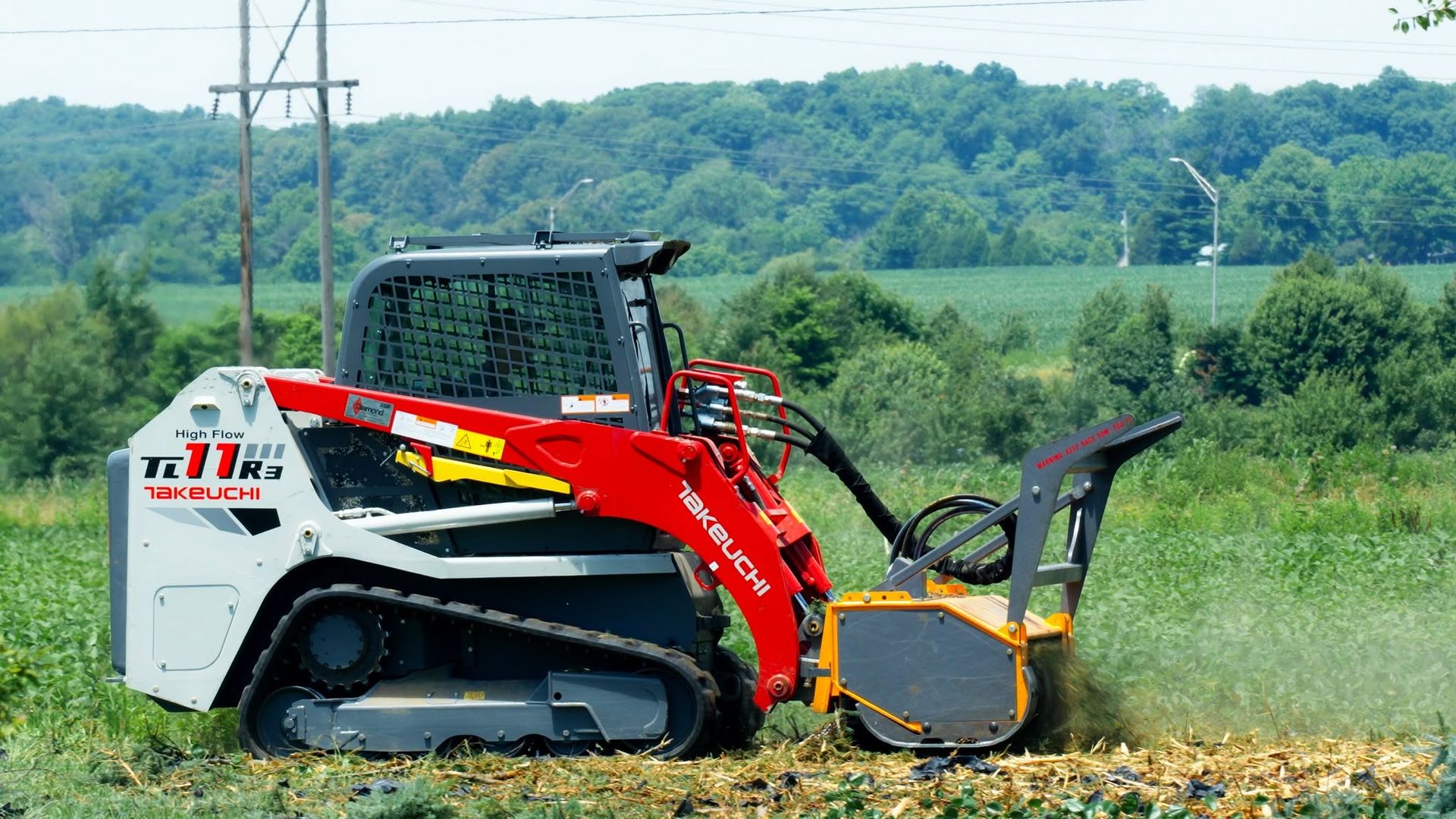
How Forestry Mulching Restores Pasture in One Operation
When the equipment arrives, the mulching head engages saplings and woody brush from the standing position and chips them down to a fraction of their original mass. Unlike a burn pile approach, which removes all organic material and leaves bare soil, or a haul-away method that requires loading and transport, the mulching process keeps every processed sapling and stem on site as ground cover. The chips mat down lightly over existing soil and begin decomposing within the first growing season, feeding microbial activity that benefits the root zone of returning grasses.
After clearing, the most visible change is the return of open sight lines across the pasture. Fence lines that were obscured by brush become visible again. Areas that livestock had stopped grazing because of woody encroachment become accessible. The ground surface shows a mulch layer rather than bare dirt, which prevents the erosion and compaction that often follow conventional clearing methods. Land Clear completes this work without burning, hauling, or the need for a separate cleanup crew after the machine finishes its pass.
The approach handles saplings and brush of varying sizes in a single pass, but extremely large established trees typically fall outside the scope of mulching alone. Properties with a mix of small-diameter saplings, dense vines, and mature canopy may need that larger timber addressed separately before the mulching head can operate efficiently across the full area. Discussing the site in advance allows the crew to identify any conditions that would affect how the work sequences..
What Property Owners Ask About Pasture Clearing
Landowners new to forestry mulching often have practical questions about what the machine handles and what they see when the job is finished.
What size saplings does the forestry mulching head process?
The mulching head handles saplings and woody brush typically up to several inches in diameter, chipping them down to ground level in a single pass without manual cutting or separate removal steps.
How does the wood chip layer affect forage regrowth after clearing?
Chips left on site decompose over time and contribute organic material to the soil, which supports grass root development rather than competing with it the way compacted bare soil would.
Why does the mulching method avoid ground compaction when other equipment causes it?
Forestry mulching equipment distributes its weight across wide tracks and processes vegetation without the repeated scraping passes that displace topsoil, which matters especially on Evansville-area pastures where forage recovery depends on keeping the root zone undisturbed.
What happens to fence lines that run through the area being cleared?
The operator works close to existing fencing without removing or disturbing it, clearing the brush that has grown into and along fence lines as part of the broader pasture pass.
How is the cleared boundary established before work begins?
The crew confirms the clearing area with you on site before starting so the equipment operates within the boundaries you specify, leaving any vegetation outside that zone untouched.
Land Clear also performs pasture clearing in Henderson, Owensboro, Princeton, Mount Vernon, and Newburgh. To schedule a free estimate for your property, contact Land Clear directly at (812) 562-5263 and describe the current condition and approximate acreage of the area you need cleared.